 There are many types of nonverbal communication, far more than most people realize. If you ask most people about it, they’ll probably say body language — and they’d be right. But there are many other ways to send a message without using spoken words.
For example, have you ever thought about laughing and crying as ways of delivering a message to others? When you think about it, they definitely are. A laugh can show amusement, nervousness, contempt, embarrassment, or relief. Crying can express sadness, frustration, overwhelm, joy, or a need for comfort.
Other forms of nonverbal communication may include smiling, pointing at someone, rolling your eyes, or making sounds such as “huh” and “mmm.” Eye contact can also be a powerful tool. It can convey a message, get attention, and even play a role in attraction and emotional connection.
Sometimes even the clothes you wear or the car you drive can send a message to the world. Even colors have different meanings in different cultures. Some people wear red intentionally because it helps them feel bold and more intense. In some cultures, black or white may be worn to express mourning and loss. In others, white may be associated with innocence, simplicity, or a fresh beginning.
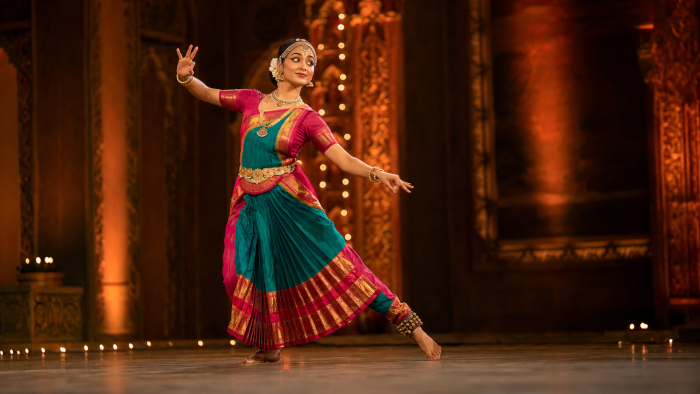
Other often-forgotten types of nonverbal communication include art and dance. The tradition of conveying meaning through dance began long ago. In classical Indian dance, for example, a performer may use hand gestures, facial expressions, and body movements to tell a story. These gestures can have specific meanings, almost like a visual language.
Ballet and modern dance can also be very expressive. Performers use movement, costume, rhythm, and emotion to tell a story, and something interesting happens — without a single spoken word, we still understand much of what is being communicated.
Drawing, photography, and editing digital images to evoke an emotional response are also forms of nonverbal communication. Even posting pictures on social media sites is a way of communicating with the people connected to you there.
In old China, foot binding was once associated with beauty, status, and marriageability in certain social groups. It was a horrific practice that involved tightly binding the feet of young girls to prevent normal growth. As a result, women often struggled to walk. Part of the message behind this practice was that a woman was delicate, high-status, and not expected to do physical labor. Similarly, pale skin was often associated with a life removed from outdoor work and could signal social status.
In Turkey, there is a well-known tradition involving coffee and marriage proposals. In some versions, a young woman could use coffee to show whether she accepted or rejected a suitor. Sweet coffee could suggest approval, while bitter or salty coffee could send a very different message.

Even touch and silence can communicate something. Silence has meaning only in certain situations, but touch, unless it is accidental, usually sends some kind of message.
Another obvious type of nonverbal communication is sign language. There are several types of sign language. Deaf people use sign languages such as ASL, BSL, or other national sign languages, while deafblind people may use tactile forms of signing.
Babies also use gestures before they can speak, and some parents teach baby signs to help them communicate basic needs. Another natural form of nonverbal communication is the set of gestures and signals we use with animals. Many of us use simple signals with cats and dogs, but there is even more to it when working with animals such as horses or cattle.
To sum up, the main types of nonverbal communication include:
- body language,
- facial expressions, such as frowning,
- sounds such as “uh oh” and “huh,”
- crying, smiling, and laughing,
- art and digital photography,
- dance,
- baby signs and gestures,
- sign language used by deaf or deafblind people,
- gestures and signals used to communicate with animals,
- colors, accessories, and clothing style,
- eye contact and gaze direction,
- cultural traditions, such as the Turkish coffee example.
For Classrooms, Teams, and Workshops
Download once — use with unlimited participants
Shop now »